
Biodiversity changes in Arctic coastal ecosystems under borealization
[Published 09 January 2026]
Scientific Publications
Abstract
Climate change is playing a major role in the current global biodiversity crisis. However, despite climate change being most pronounced in the Arctic, its impacts on biodiversity in this region remains largely unknown. Here, we combined three decades of abundance data from various animal groups (from zooplankton to megafauna) and regions in the European Arctic and Greenland to assess recent changes in biodiversity within Arctic coastal communities. Our results support the “borealization” hypothesis in all regions and provide evidence that marine ecosystems in the North Atlantic Arctic are shifting toward a boreal (i.e. cold temperate) state. Arctic endemic species are generally declining in abundance, while boreal species are increasing. These changes in abundance are associated with an average increase in biodiversity (e.g. species richness), although there are important variations among animal groups. This increase might be transient and the long-term implications of the ongoing changes in Arctic coastal biodiversity on ecosystem functioning and services remain uncertain.
FACE-IT Scientists:
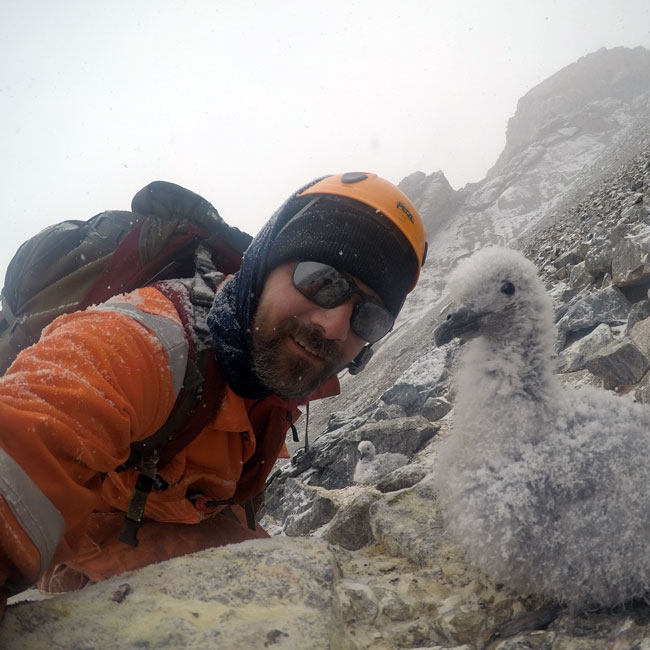
Sébastien DESCAMPS
Norwegian Polar Institute, Tromsø, Norway
Google Scholar personal page
Sebastien’s FACE-IT Projects
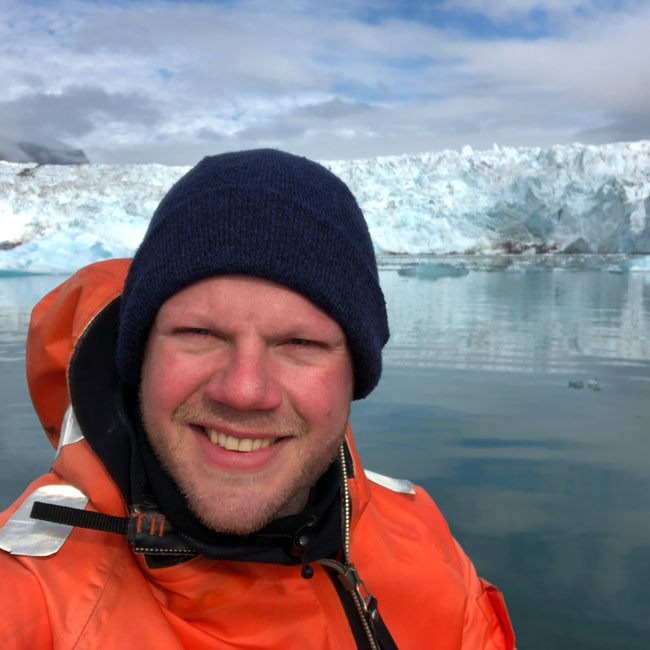
Simon JUNGBLUT
Marine Botany, University of Bremen, Germany
Association of Marine Sciences, Bremen
Society for Natural Sciences NWV, Bremen, Germany
UBremen personal page
ResearchGate

Robert Schlegel
Sorbonne Université – CNRS, Laboratoire d’Océanographie de Villefranche, Villefranche sur Mer, France
The Ocean Code
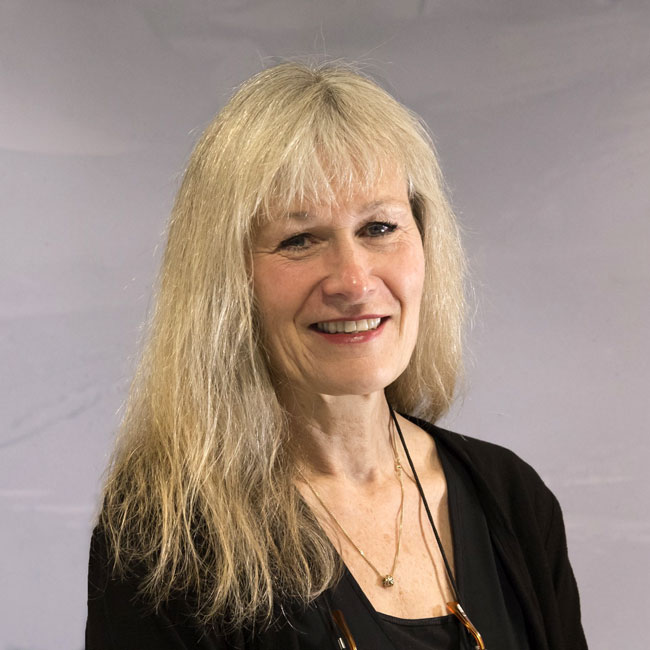
KIT KOVACS
Norwegian Polar Institute, Tromsø, Norway
The University Centre in Svalbard UNIS, Longyearbyen, Svalbard, Norway
NPI personal page
ResearchGate
Kit’s FACE-IT Projects

ARUNIMA SEN
University Centre in Svalbard (UNIS), Longyearbyen, Norway
Nord University, Bodø, Norway
ResearchGate
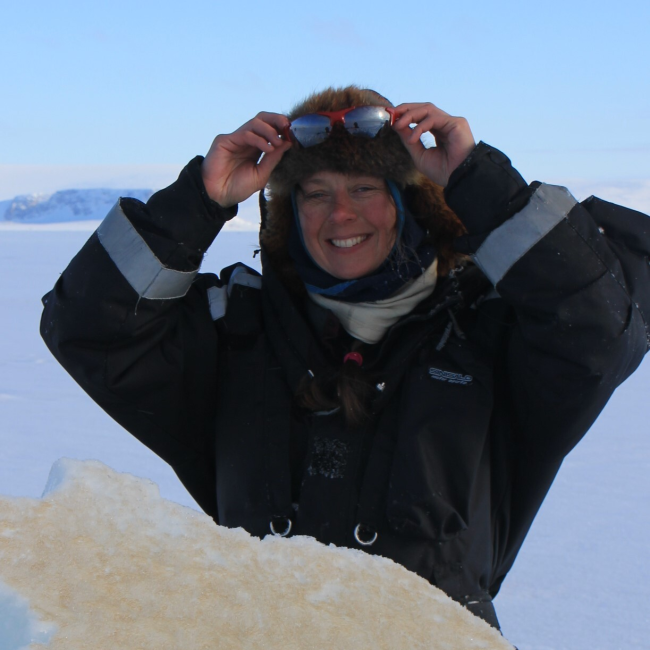
Janne E. Søreide
University Centre in Svalbard (UNIS), Longyearbyen, Norway
ResearchGate
Janne’s FACE-IT Projects
LUISA DÜSEDAU
Alfred Wegener Institute, Helmholtz Centre for Polar and Marine Research, Bremerhaven, Germany
University of Bremen, Germany
ResearchGate
Luisa’s FACE-IT Projects

GEIR WING GABRIELSEN
Norwegian Polar Institute, Tromsø, Norway

LIS LINDAL JøRGENSEN
Institute of Marine Research, Tromsø, Norway
Marika MARNELA
Norwegian Polar Institute, Tromsø, Norway

LAURENE MERILLET
Institute of Marine Research, Bergen, Norway
Kai BISCHOF
Marine Botany, University of Bremen, Germany
Center for Marine Environmental Sciences MARUM, University of Bremen, Germany
UBremen personal page
Kai’s FACE-IT Projects