
Predicting potential Arctic kelp distribution and lower-depth biomass from seafloor irradiance
[Published 01 December 2025]
Scientific Publications
Abstract
Kelps have an extensive distribution in Arctic coastal waters. However, quantifying their role in the Arctic food web and carbon cycle is challenged by the scarcity of documented geographical distribution, standing stocks and production. Here we present a framework based on an empirical function to predict the potential kelp distribution and their summer biomass as a function of seafloor irradiance and bathymetry. Predictions of biomass were limited to the lower-depth, light-limited range of the kelp distribution, where the fit of the empirical function was significant (from the depth of maximum biomass to the deepest kelp extent). The model was developed and tested in Kongsfjorden, Svalbard, and applied in six additional fjords in the Arctic. The predicted potential kelp biomass in the fjords ranged from 0.6 to 4.7 kg WW m−2 and was in good agreement with published values. The resulting kelp standing stock ranged from 0.4 to 300 Gg DW, corresponding to 0.2–109 Gg C. These potential estimates account for light limitation, but do not consider substrata or other factors limiting the kelp distribution area. We identified fjord-specific dependencies between predicted standing stocks and seafloor irradiance and between seafloor irradiance and its drivers (surface irradiance and water column light attenuation) but found no significant change between 2004 and 2022. Our framework provides a baseline for estimating potential kelp biomass from seafloor irradiance, which is expected to change with increasing sediment runoff causing coastal darkening.
FACE-IT Scientists:
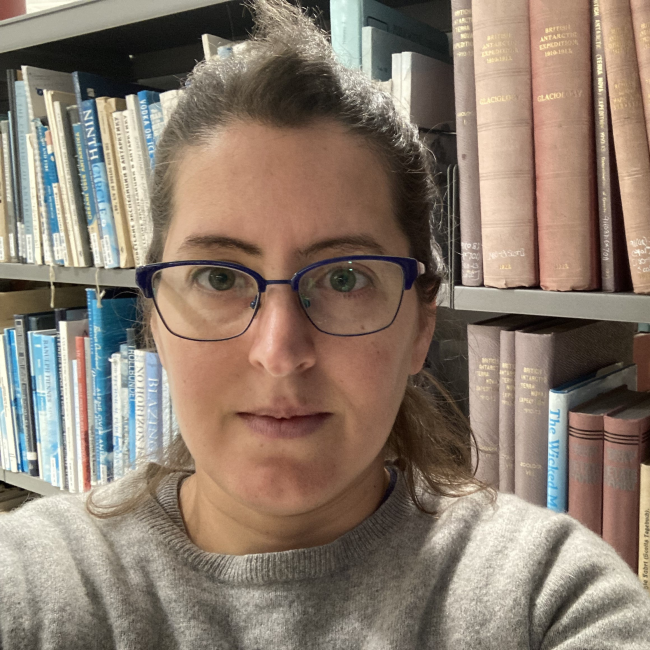
Laura CASTRO DE LA GUARDIA
Norwegian Polar Institute, Tromsø, Norway
ResearchGate
Laura’s FACE-IT Projects
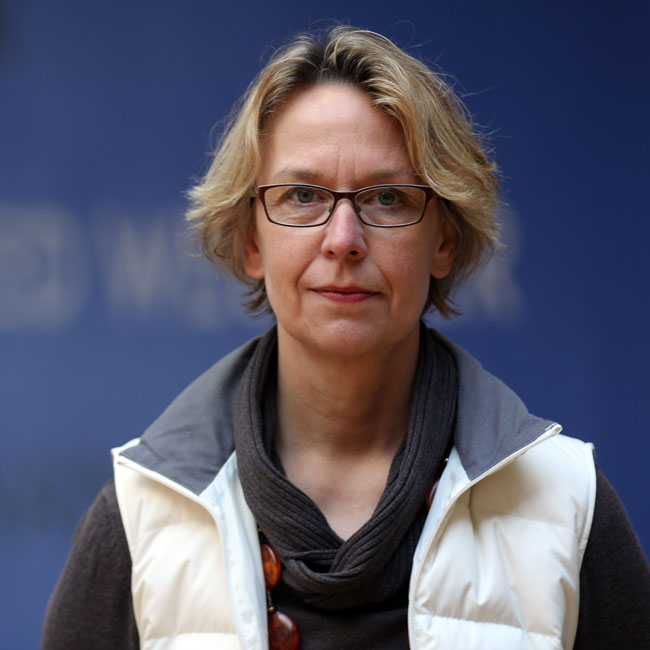
Inka BARTSCH
Alfred Wegener Institute, Helmholtz Centre for Polar and Marine Research, Bremerhaven, Germany
AWI personal page
Inka’s FACE-IT Projects
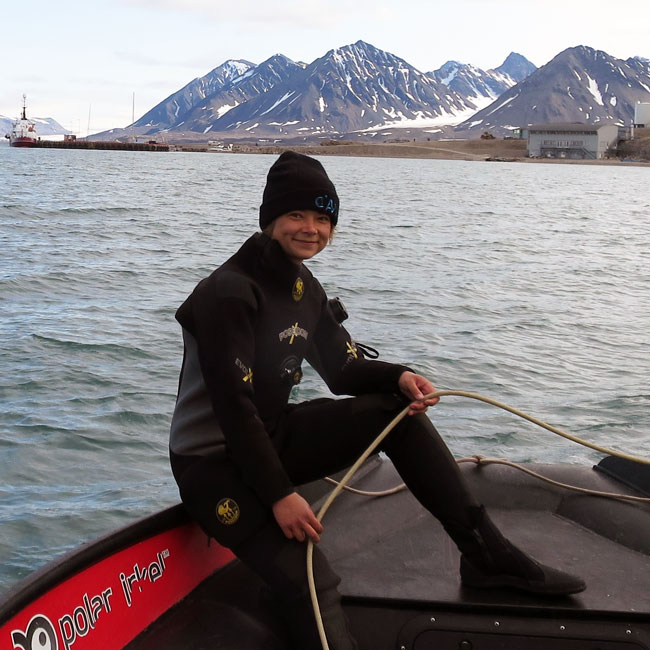
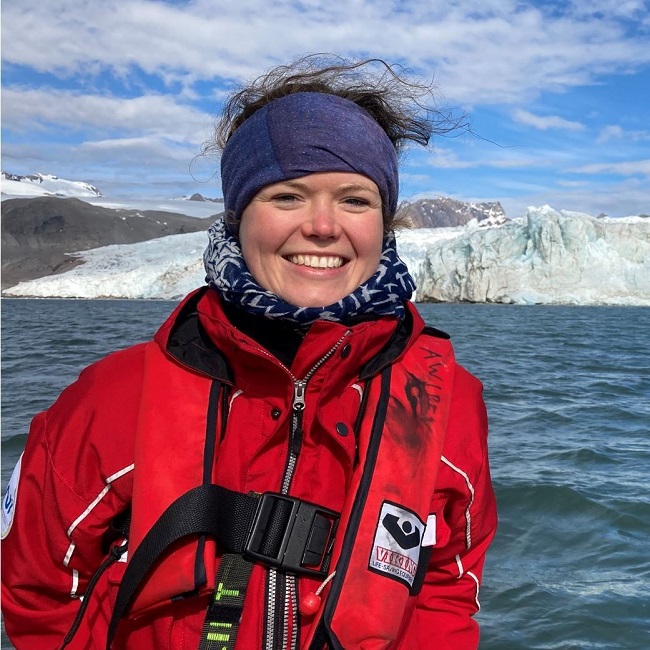
LUISA DÜSEDAU
Alfred Wegener Institute, Helmholtz Centre for Polar and Marine Research, Bremerhaven, Germany
University of Bremen, Germany
ResearchGate
Luisa’s FACE-IT Projects
Dorte KRAUSE-JENSEN
Aarhus University, Department of Bioscience, Denmark
Aarhus University, Arctic Research Center, Denmark
AU personal page
ORCID
Mikael K. SEJR
Arctic Research Centre, Aquatic Biology, Department of Biology, Denmark
AU personal page
Thomas Gjerluff Ager
Aarhus University, Department of Bioscience, Denmark
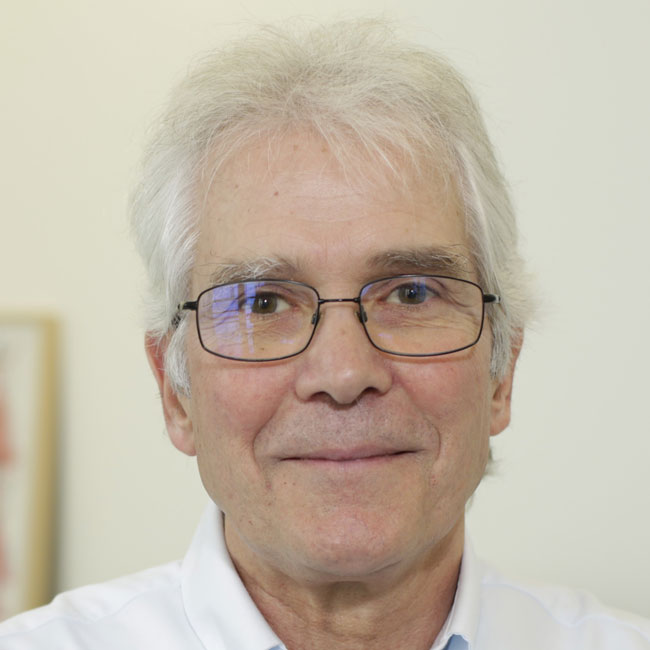
Jean-Pierre GATTUSO
Sorbonne Université – CNRS, Laboratoire d’Océanographie de Villefranche, Villefranche sur Mer, France
Personal page
Mastodon
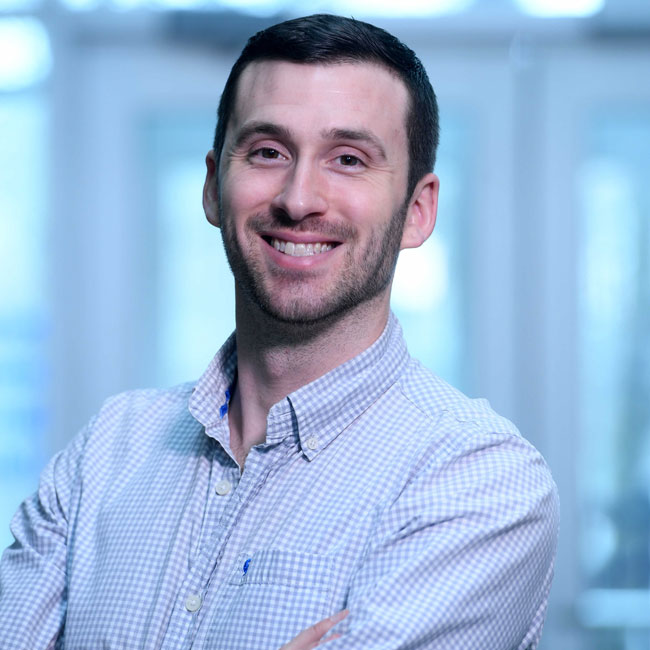
Robert Schlegel
Sorbonne Université – CNRS, Laboratoire d’Océanographie de Villefranche, Villefranche sur Mer, France
The Ocean Code
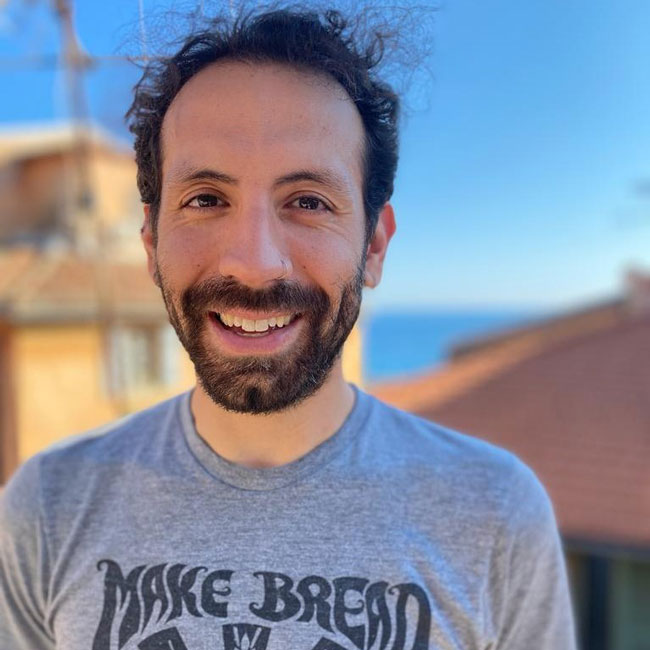
Cale MILLER
Sorbonne Université – CNRS, Laboratoire d’Océanographie de Villefranche, Villefranche sur Mer, France
Cale’s FACE-IT Projects
PEDRO DUARTE
Norwegian Polar Institute, Tromsø, Norway