
Biochemistry of Arctic kelp specimens is conditioned by the local environment
[Published 10 October 2025]
Scientific Publications
Abstract
Climate change causes temperature and light to change drastically in Arctic fjords, being the main drivers for ecosystem-engineering seaweeds (kelps; Laminariales, Phaeophyceae). Climate projections on kelps are often based on static performance curves, treating species as one homogenous unit with similar tolerances within their entire biogeographical range. This might lead to mis-extrapolations. We assessed how Arctic kelp specimens are conditioned by their specific in-situ environment. Therefore, we sampled Saccharina latissima sporophytes from eight fjords along the west coast of Svalbard, Norway. Analysing their biochemical response variables (pigment content and composition; antioxidative activity; total carbon and nitrogen content), we found a distinct clustering of the biochemical composition of S. latissima, which correlated significantly with their environment. S. latissima responded strongly to changes in run-off induced turbidity, i.e., light availability. High light availability correlated with a significant reduction of photosynthetic pigments indicating high light protection. Nevertheless, the kelps’ total carbon content increased. The kelps’ total nitrogen content increased with increasing turbidity, which might be a response to nutrients being washed into the fjord by run-off. We found no stress response to suboptimal temperatures (3 °C vs. 7 °C). This is a further indication of the importance of light as a driver for high-latitude kelp populations, and the necessity to include it in climate projections. In conclusion, we found a high site-specific plasticity of Arctic S. latissima sporophytes. This has to be considered when projecting the responses of kelps towards climatic changes and local management activities.
FACE-IT Scientists:
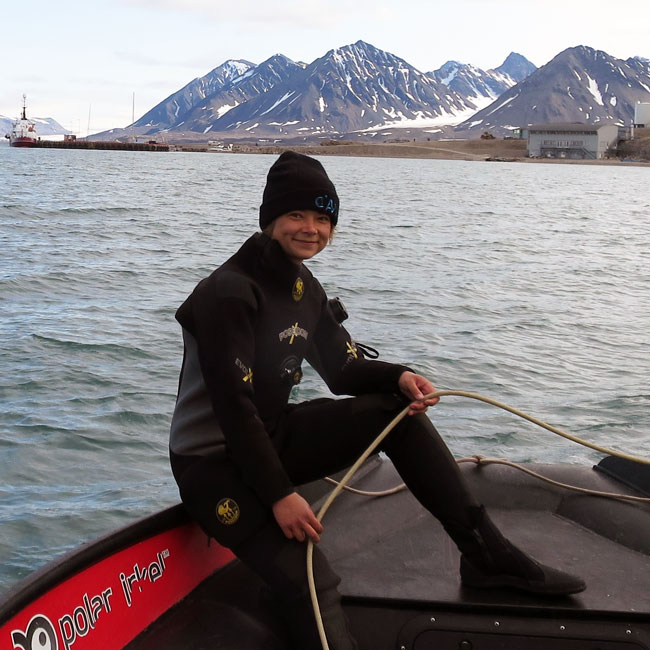
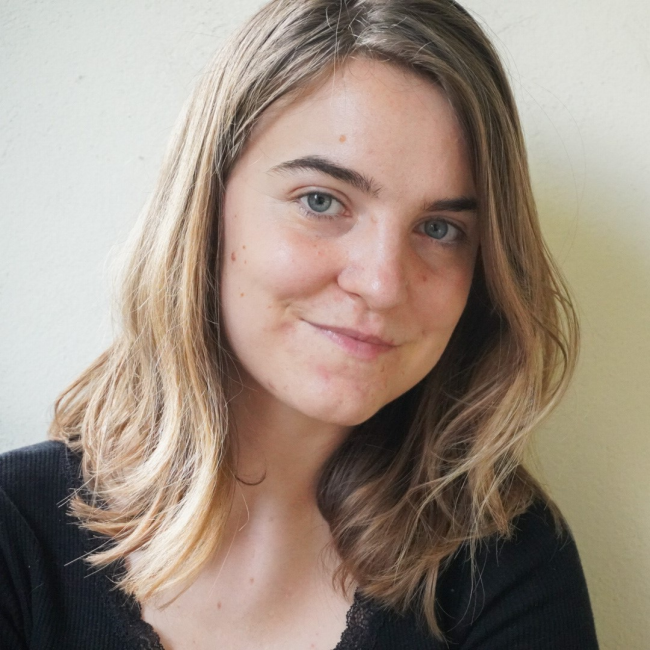
Clara VOIGT
Marine Botany, University of Bremen, Germany
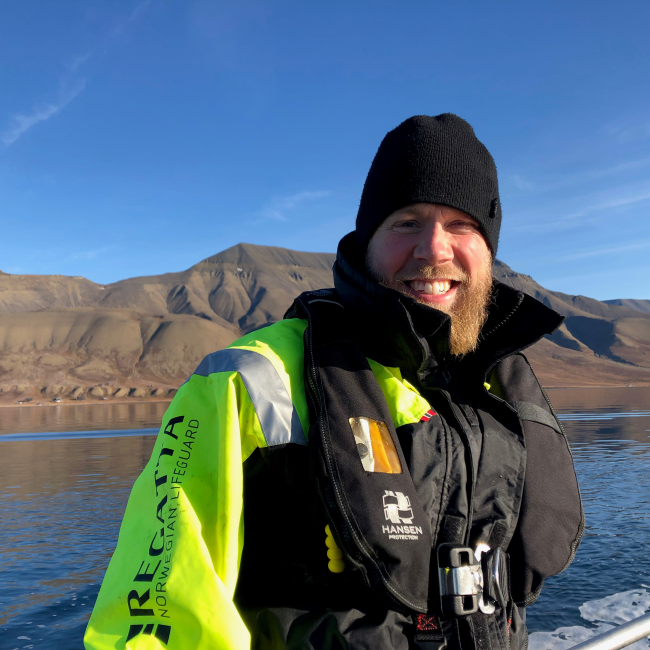
Sebastian David Junker Andersen
University Centre in Svalbard (UNIS), Longyearbyen, Norway
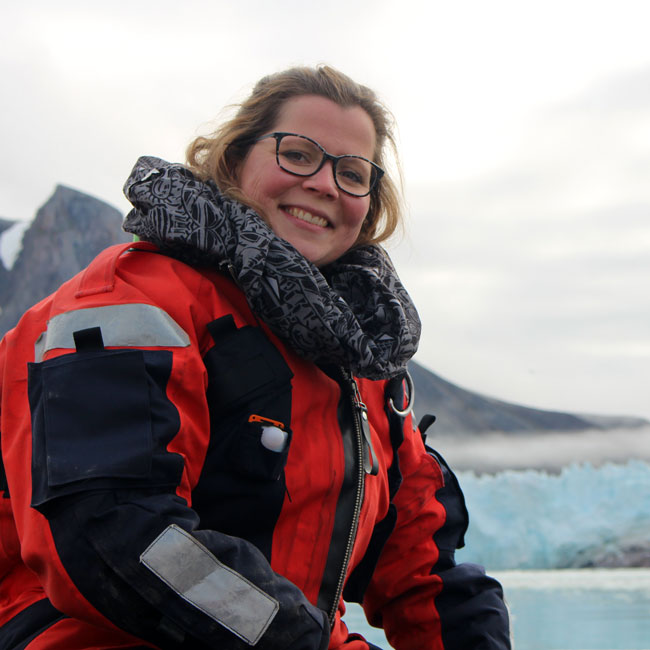
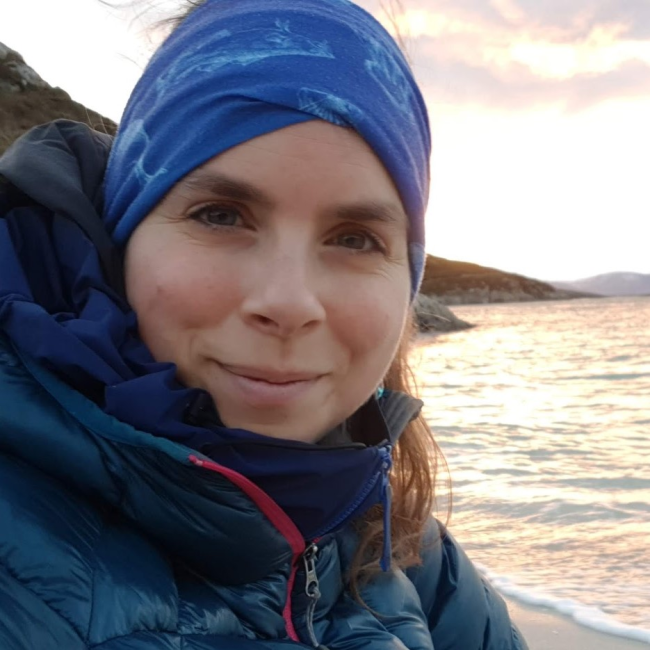
Raphaëlle DESCôTEAUX
University Centre in Svalbard (UNIS), Longyearbyen, Norway
ResearchGate
Raphaelle’s FACE-IT Projects
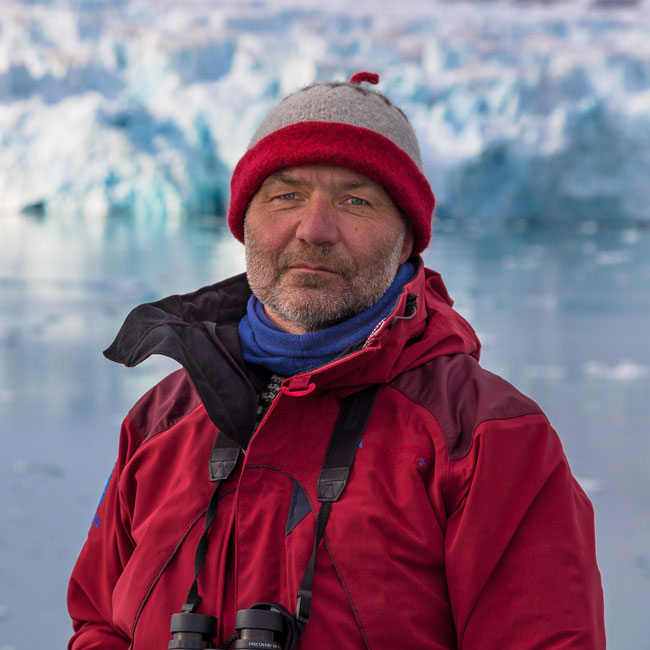
Børge DAMSGåRD
University Centre in Svalbard (UNIS), Longyearbyen, Norway
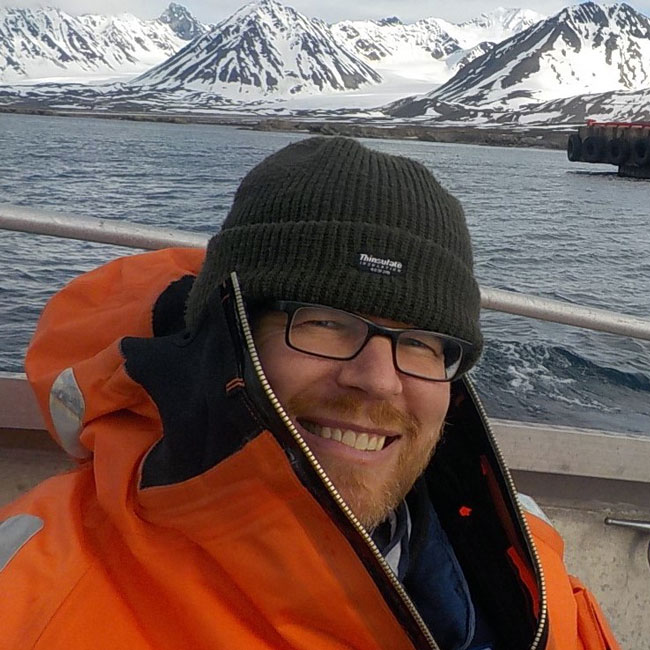
Kai BISCHOF
Marine Botany, University of Bremen, Germany
Center for Marine Environmental Sciences MARUM, University of Bremen, Germany
UBremen personal page
Kai’s FACE-IT Projects